In a dental clinic, a soothing environment is crucial for patient comfort. However, noise can be an ongoing challenge. Many patients experience anxiety associated with the sounds of dental instruments, leading to discomfort. Therefore, understanding "how to reduce noise levels in a dental clinic" is essential for creating a calm atmosphere.
Effective noise management starts with the clinic's design. Soft materials, like carpets or curtains, can absorb sound. Additionally, soundproofing techniques can help. However, not all clinics invest in these features. This often leaves staff and patients to cope with excessive noise.
Practitioners can also implement strategies to ease noise indirectly. For example, calming music may distract patients from harsh sounds. Yet, finding the right volume for background music can be challenging. Staff training on noise awareness is critical but sometimes overlooked. These small changes can significantly impact patient experience and satisfaction.
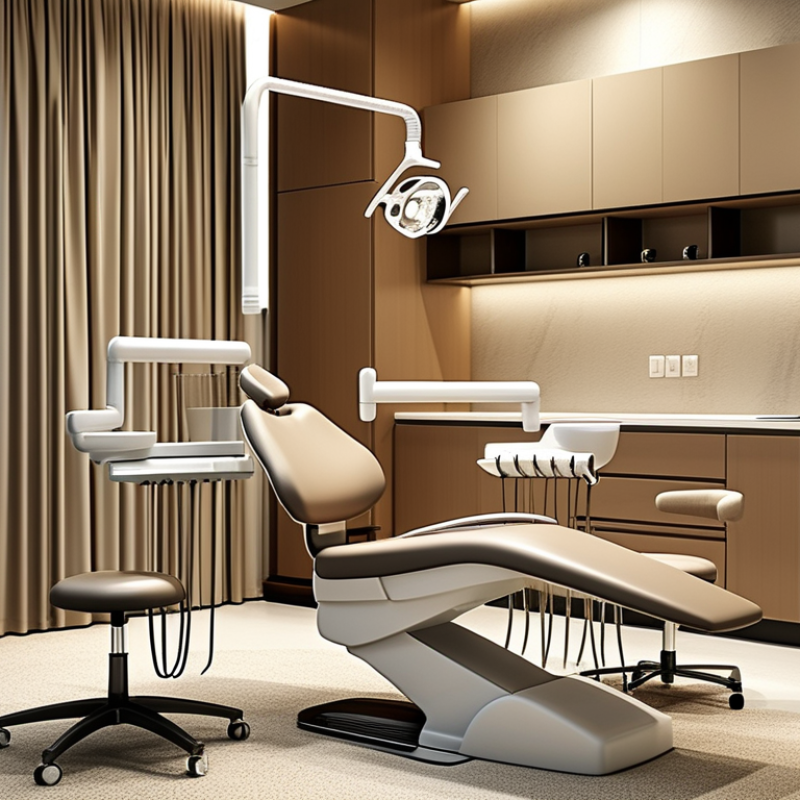
Strategies for Assessing Noise Levels in a Dental Clinic
Assessing noise levels in a dental clinic requires a mix of techniques and tools.
Identifying sources of noise is crucial. High-speed drills, suction units, and patient chatter contribute significantly to the sound environment.
Staff can use simple handheld decibel meters to gauge real-time noise levels.
This approach fosters a data-driven discussion on how to minimize distractions.
Regular assessments using these measurements help track progress over time.
Engage the team in noting their perceptions of noise during peak hours.
This subjective input adds a necessary layer of insight.
Consider setting specific times for sound assessments, such as during busy appointments.
It’s a straightforward method, yet it often reveals surprising data about noise patterns within the clinic.
Documentation is essential for creating a comprehensive noise profile.
Keeping a record of measurements and observations creates accountability.
This process should lead to greater awareness among staff.
It can highlight times when additional sound-absorbing materials might be required or when workflow adjustments are necessary.
Reflecting on outcomes from such assessments can drive continual improvement in creating a quieter, more comfortable environment for patients and staff alike.
Effective Acoustic Treatments for Dental Clinic Design
Creating a calming environment in a dental clinic is crucial. Effective acoustic treatments play a significant role in reducing noise levels. Soft surfaces can help. Consider adding carpets or upholstered furniture. These materials absorb sound, making the atmosphere more pleasant.
Tip: Use acoustic panels. They can be customized to blend with your clinic's decor. Placing them strategically can significantly reduce echo and background noise. This not only comforts patients but also helps staff concentrate.
Natural elements can also aid in noise reduction. Plants act as noise barriers. They enhance air quality too. However, choosing the right plants is important. Some may require special care.
Tip: Think about ceiling tiles. Acoustic ceiling tiles can lower noise levels significantly. They provide a cost-effective solution while enhancing aesthetics. Don't forget to allow for flexibility in design. As your practice grows, your needs may change.
How to Effectively Reduce Noise Levels in a Dental Clinic? - Effective Acoustic Treatments for Dental Clinic Design
| Treatment Method |
Description |
Expected Noise Reduction (dB) |
Cost Estimate |
| Acoustic Panels |
Wall-mounted panels designed to absorb sound waves. |
5-10 dB |
$50-$100 per panel |
| Soundproof Doors |
Specially designed doors with sound-dampening materials. |
10-20 dB |
$500-$1,000 each |
| Acoustic Ceilings |
Ceiling tiles that reduce sound reflections. |
5-15 dB |
$2-$4 per square foot |
| Floor Carpeting |
Heavy carpets that absorb sound and reduce noise transmission. |
3-8 dB |
$3-$7 per square foot |
| Sound Masking Systems |
Systems that produce background noise to mask disruptive sounds. |
8-15 dB |
$1,000-$5,000 |
| Window Inserts |
Additional panes of glass that create a sound barrier. |
15-30 dB |
$400-$800 per window |
| Soundproofing Sealant |
Sealants used to fill gaps and cracks that allow sound leakage. |
2-5 dB |
$15-$30 per tube |
Implementing Sound-Reducing Equipment and Technology
Noise levels in dental clinics can impact patient comfort. Sound-reducing equipment can create a more serene environment. One effective method is using acoustic panels on walls and ceilings. These panels absorb sound waves and minimize echo. They come in various designs, blending seamlessly with clinic decor.
Incorporating soundproofing materials is another option. For instance, rubber flooring can dampen footsteps and equipment noise. Additionally, using quieter dental tools is essential. Modern technology offers devices that operate at lower decibel levels, making procedures less intimidating for patients. Even small changes, like strategic furniture placement, can hinder sound transmission.
Despite these advancements, clinics may still face challenges. Finding the right balance of technology vs. aesthetics can be tough. Regular assessments of noise levels may reveal areas needing improvement. Listening to patient feedback is crucial. Implementing these strategies can elevate patient experience, but it's a continual process.
Training Staff on Noise Management Practices
Reducing noise in a dental clinic requires effective staff training on noise management practices. According to recent studies, noise levels in dental environments can reach up to 90 decibels. This is comparable to a motorcycle's noise. High noise levels can cause anxiety for patients and make communication harder for staff.
Training should focus on recognizing key noise sources. Common sources include dental instruments and patient conversations. Encourage staff to use quieter tools when possible. Simple actions like closing doors gently can make a big difference. The American Dental Association emphasizes training in noise management. They found that clinics with trained staff experienced a 25% reduction in patient anxiety levels.
However, effective training programs often face challenges. Staff may forget protocols during busy hours. Regular refresher courses can help. Surveys show that only 40% of dental staff receive ongoing education on noise management. By implementing consistent training, clinics can create a calmer environment, benefiting both patients and staff.
Creating a Calming Patient Experience through Environment Design
Creating a calming patient experience in a dental clinic hinges on effective environment design. Studies reveal that high noise levels often contribute to patient anxiety. For instance, research from the Journal of Dental Hygiene found that noise can heighten stress responses, making patients feel uneasy. To combat this, employing sound-absorbing materials in walls and ceilings can significantly lower noise levels, creating a more soothing atmosphere.
Lighting also plays a crucial role. Soft, warm lighting can reduce feelings of tension. Natural light, when possible, enhances well-being. Furthermore, incorporating calming visuals, like nature-themed artwork, can help distract and relax patients. The American Dental Association states that a calming environment can lead to better patient cooperation and reduced perceived pain.
Despite these strategies, some clinics struggle with implementation. One common oversight is neglecting the waiting area’s ambiance. A noisy reception desk can disrupt the calm cultivated in treatment rooms. Regular reassessment of noise levels and patient feedback is essential. This continuous improvement mindset ensures that the clinic can adapt and better meet patient needs over time.
Conclusion
Reducing noise levels in a dental clinic is essential for enhancing patient comfort and improving the overall experience. To effectively achieve this, it is important to assess current noise levels using strategic measurements that identify problem areas. Once noise sources are understood, implementing effective acoustic treatments in the clinic’s design can significantly diminish sound transmission.
In addition to modifying the physical environment, integrating sound-reducing equipment and technology, such as quieter dental tools, plays a crucial role. Training staff on noise management practices ensures that all team members contribute to a calmer atmosphere. Finally, designing the environment with calming elements can create a peaceful experience for patients, aligning with the goal of learning how to reduce noise levels in a dental clinic.

 Barclay Medical