Dental air compressors are essential in modern dental practices, providing reliable air supply for various tools and procedures. However, many practitioners overlook proper maintenance. According to a report by the American Dental Association, poorly maintained equipment can significantly reduce its operational efficiency and lifespan. Thus, understanding how to maintain a dental air compressor for longevity is crucial for every dental office.
Frequent issues like moisture buildup and contamination can lead to costly repairs. Data from industry surveys show that up to 30% of compressors fail due to inadequate upkeep. Regular checks and filter changes can enhance performance. Additionally, keeping an eye on operational noise levels can indicate underlying problems. These insights provide a roadmap for better compressor management.
Investing time in maintenance pays off. A well-maintained compressor can last over a decade, while neglect can cut its lifespan in half. This reflection on the importance of care should reshape how dental practices approach their equipment. Making informed decisions today can prevent issues tomorrow and ensure a steady workflow.
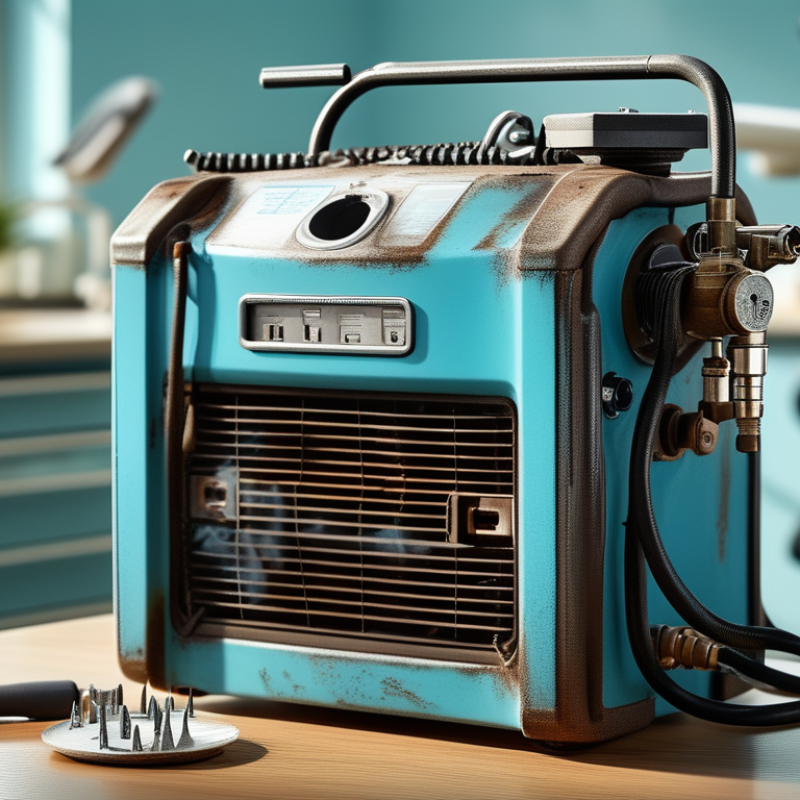
Understanding the Importance of Regular Maintenance for Dental Air Compressors
Regular maintenance for dental air compressors is crucial for longevity. These machines generate compressed air, essential for various dental procedures. If not properly maintained, performance can decline over time. Routine checking can identify issues before they worsen.
Daily inspections can reveal leaks or unusual sounds. These signs often indicate underlying problems. Additionally, maintaining appropriate oil levels reduces wear and tear. Keep the filter clean to ensure optimal air quality. Neglecting these tasks can lead to costly repairs.
Scheduling professional maintenance annually is advisable. Experts can perform deep cleaning and replace worn components. Over time, small oversight can lead to system failures. Being proactive helps avoid interruptions in service. Understanding these needs makes your practice more reliable.
Maintenance Frequency for Dental Air Compressors
This chart illustrates the recommended frequency of maintenance for dental air compressors, emphasizing the importance of regular checks and servicing to extend their lifespan.
Key Components of Dental Air Compressors and Their Maintenance Needs
Dental air compressors play a crucial role in ensuring a smooth dental practice. They provide clean, dry air for various tools and treatments. Understanding the key components and their maintenance needs can help extend the lifespan of these valuable machines.
Regular maintenance of the compressor’s filters is essential. Clogged filters can reduce efficiency. Schedule a routine check at least every three months. It may feel like a chore, but neglecting this can lead to costly repairs.
Another critical component is the separator. It removes moisture from the air before it reaches dental instruments. Inspect this part frequently. Replace it according to the manufacturer’s guidelines to maintain performance.
Tips: Consider creating a maintenance log. Track filter changes, separator replacements, and overall compressor performance. Consistency is key in preventive care. A little effort now can avoid bigger headaches later.
Implementing Effective Filtration Systems to Enhance Performance
Implementing effective filtration systems in dental air compressors is crucial for maintaining performance. A significant study from the American Dental Association highlights that over 70% of dental practices experience compromised air quality due to inadequate filtration. This can lead to equipment wear and potential contamination in the work environment.
High-efficiency particulate air (HEPA) filters are essential in removing particles as small as 0.3 microns, capturing dust, allergens, and bacteria. The Centers for Disease Control and Prevention recommend regular checks and replacements of these filters to ensure optimal function. Without proper filtration, moisture can accumulate, leading to bacterial growth, which could affect patient safety.
Regular maintenance of the filtration system is necessary. Many practices neglect this, leading to reduced efficiency. Filters should be inspected at least once a month. A proactive approach can prevent costly repairs and extend the compressor's life. Balancing maintenance with operational demands is challenging, but crucial for the long-term success of any dental practice.
Best Practices for Monitoring and Adjusting Compressor Settings
Maintaining the efficiency of your dental air compressor is crucial for ensuring optimal performance. Frequent monitoring of compressor settings is a best practice that can significantly extend its lifespan. According to the American Dental Association, approximately 75% of dental practices experience equipment-related issues due to inadequate maintenance. Regularly checking pressure settings and flow rates can prevent these problems.
Adjusting the compressor settings based on the specific demands of your dental procedures is essential. Ensure that the pressure is high enough for procedures like air polishing but not excessive to avoid damaging sensitive instruments. Studies show that keeping the pressure around 80-100 psi can optimize both performance and equipment longevity. Be aware that fluctuations in settings can indicate underlying issues. Regularly record and analyze these fluctuations to spot patterns that may need addressing.
Regular maintenance checks should also include cleaning and replacing air filters. Dirty filters can reduce efficiency, leading to increased energy consumption. In fact, poorly maintained compressors can consume up to 30% more energy than units in good condition. These adjustments, while simple, can have a lasting impact on the overall function and reliability of your dental air compressor, underscoring the importance of diligent routines in practice.
Scheduled Professional Inspections: Ensuring Longevity of Your Air Compressor
Scheduled professional inspections are critical for maintaining the health of your dental air compressor. These inspections help identify issues before they escalate into costly repairs. Many practices neglect regular check-ups, assuming their equipment will function without problems. This approach can lead to unexpected breakdowns and increased expenses.
During an inspection, technicians assess various components of the compressor. They check the filters, oil levels, and overall performance. Small issues often go unnoticed, such as minor leaks or pressure drops. Addressing these early can extend the lifespan of the compressor. Regular maintenance is a proactive step to ensure efficiency. It is important to cultivate a routine, scheduling these check-ups every six months, if not more frequently.
In addition to professional inspections, practicing daily care is essential. Operators should perform visual checks and clean the compressor regularly. However, it is easy to overlook simple tasks in a busy practice. Relying solely on a "set it and forget it" mentality can be tempting. This short-sightedness may cause significant problems in the long run. Emphasizing the importance of both inspections and routine care can foster a more reliable work environment.
FAQS
: Regular maintenance extends the lifespan of dental air compressors. It enhances performance and ensures efficiency in procedures.
Neglect can lead to performance decline. Issues may worsen, resulting in costly repairs or system failures over time.
Daily checks should focus on leaks and unusual sounds. These signs may indicate underlying problems needing attention.
Keep the filter clean to ensure optimal air quality. Clogged filters reduce efficiency and can lead to performance issues.
Schedule maintenance checks every three months. This frequency can help identify issues before they escalate into larger problems.
The separator removes moisture from the air. Regular inspection and timely replacement are crucial for optimal performance.
Professionals should deep clean the compressor and replace worn components. This helps in maintaining reliable operation.
Yes, a maintenance log is helpful. Tracking changes and performance can aid in preventive care and consistency.
Neglecting to check oil levels might increase wear and tear. Small oversights can lead to bigger problems later on.
Being proactive in maintenance enhances reliability. It minimizes interruptions and ensures better service for patients.
Conclusion
To ensure the longevity of your dental air compressor, it is crucial to understand how to maintain a dental air compressor for longevity. Regular maintenance plays an essential role in optimizing the performance and reliability of this vital equipment. Key components, such as filters and regulators, require consistent monitoring and care to prevent issues that can shorten the compressor's lifespan. Implementing effective filtration systems will significantly enhance performance and reduce downtime caused by maintenance issues.
Additionally, adopting best practices for monitoring and adjusting compressor settings is vital to maintain efficiency. Scheduling professional inspections allows for a thorough assessment of the compressor's condition, ensuring that any potential problems are addressed promptly. By following these guidelines, dental professionals can extend the life of their air compressors and maintain a smooth operation within their practices.

 Barclay Medical